Dolomites High Routes: Solitude Among The Limestone Pinnacles
By Clara Sterling, Photography by Elena Rostova
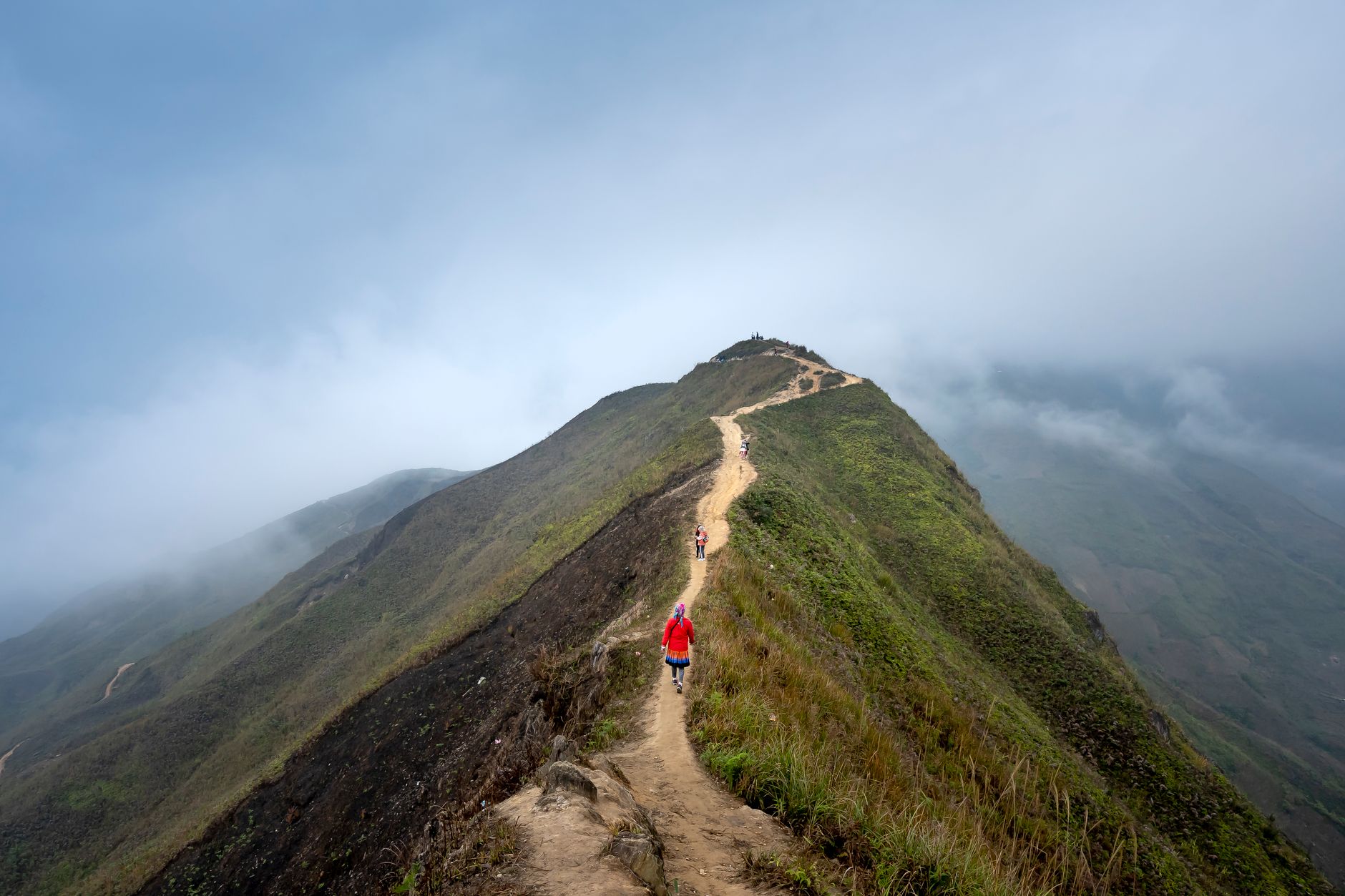
The Rhythm of Alta Via
Dawn in the Pale di San Martino arrives not with a blare, but with a gradual pale lavender creeping over colossal slabs of dolomite rock. The air carries the chill of autumn, smelling of pine needles, wet loam, and ancient stone. Here, walking is stripped of modern hurry; you pack only what can comfortably ride on your shoulders, and you measure distance in hours of breath rather than miles.
As you traverse the saddle between serrated pinnacles, the soundscape narrows to the rhythmic click of trekking poles against scree and the distant clanging of cowbells deep down in the Val Venegia. There is a sacred purity in routes that have guided herdsmen, smugglers, and mountaineers for centuries.
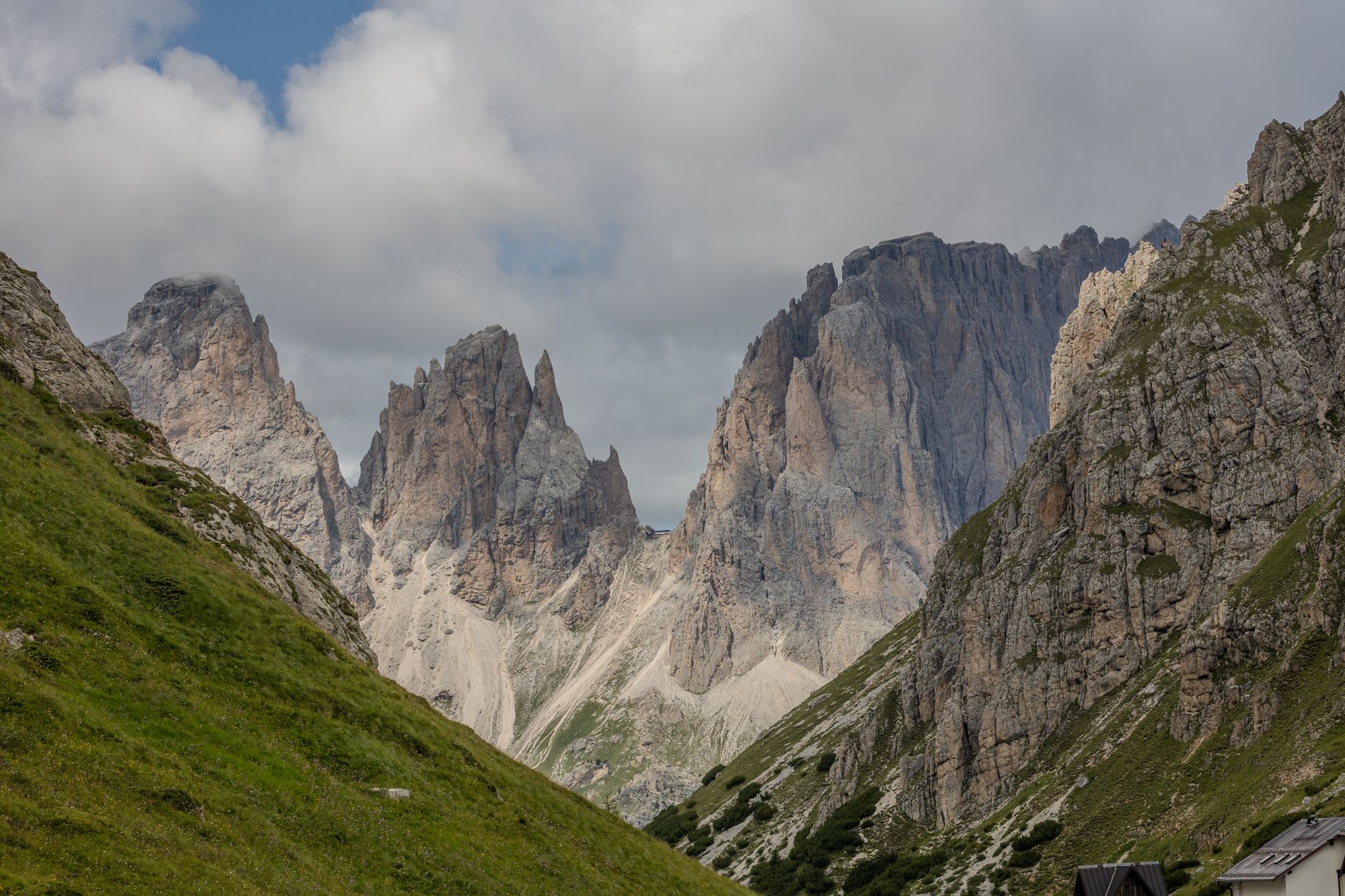
The northern approach toward Tre Cime di Lavaredo at sunrise.
Alpine Rifugio Gastronomy
To walk the Dolomites is equally a gastronomic pilgrimage. Reaching a timbered rifugio perch at 2,400 meters rewards travelers with warmth radiating from cast-iron stoves. Here, regional Ladin and South Tyrolean cuisines coalesce: warm canederli (bread dumplings) floating in golden beef broth, smoked speck cut paper-thin, and hand-rolled pasta tossed with wild forest mushrooms.
"Travel becomes unforgettable not because of the summits conquered, but because of the shared bowls of warm stew and steaming polenta eaten while wind batters the wooden shutters outside."
Philosophy of Mountain Stillness
In our hyper-connected reality, mountain ranges offer the ultimate remedy. Standing amidst millions of years of coral reef turned into pale vertical limestone resets our sense of time. The mountains demand patience and humility. We leave with lighter minds, sun-weathered cheeks, and a notebook filled with impressions that outlast any digital photograph.