Kyoto After Dawn: Finding Silence and Kaiseki Traditions
By Marcus Vance, Gastronomy & Culture Editor
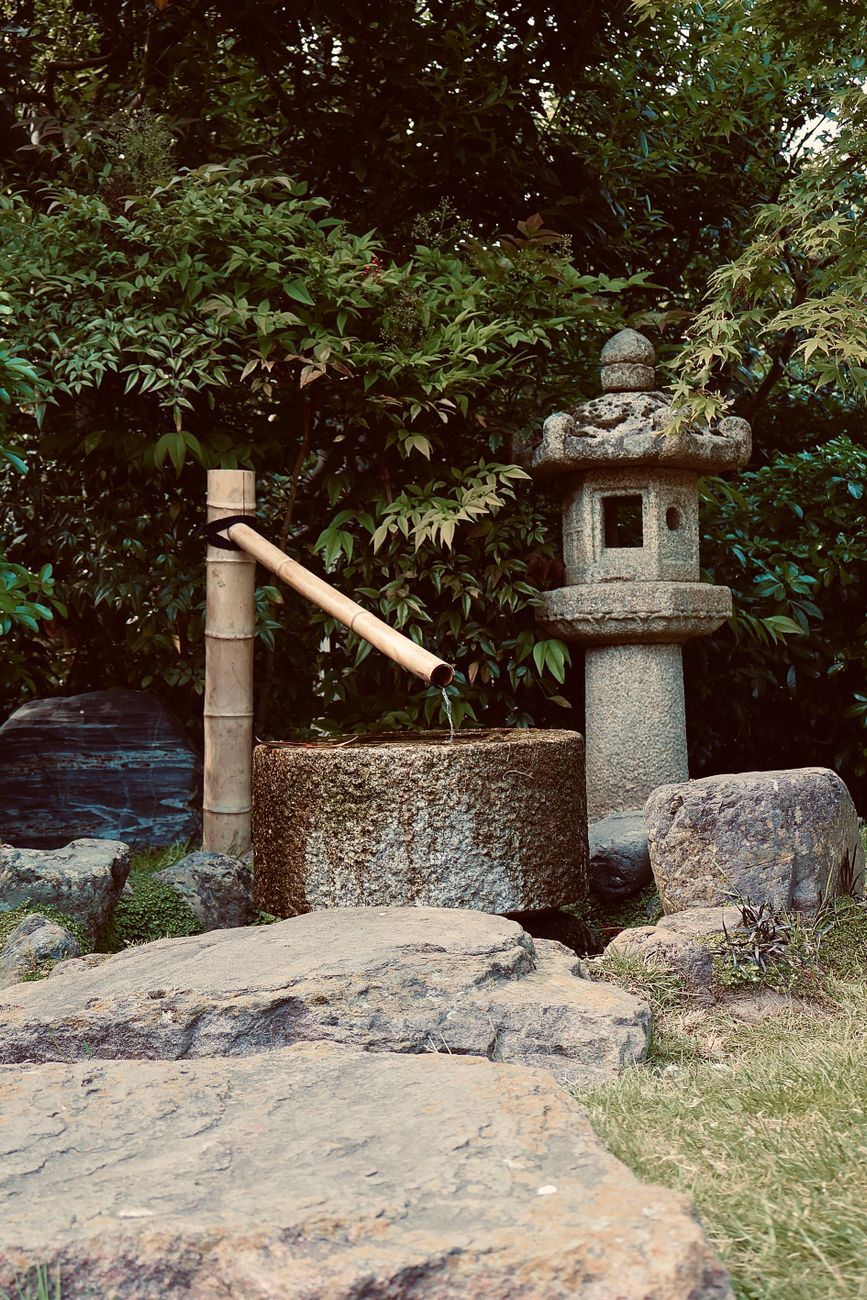
Table of Contents
The Awakening of Higashiyama
To experience Kyoto in its authentic soul, one must walk when the city is bathed in morning mist before shop shutters rise. Along the flagstone streets of Ninenzaka and Sannenzaka, the scent of damp cypress and roasted green tea leaves permeates the crisp air. Temple brooms sweep fallen gingko leaves in gentle unison.
In these early moments, the historic Japanese capital reveals the timeless principle of *ma* — the fertile negative space, the pauses between sentences, the silence that gives meaning to form.
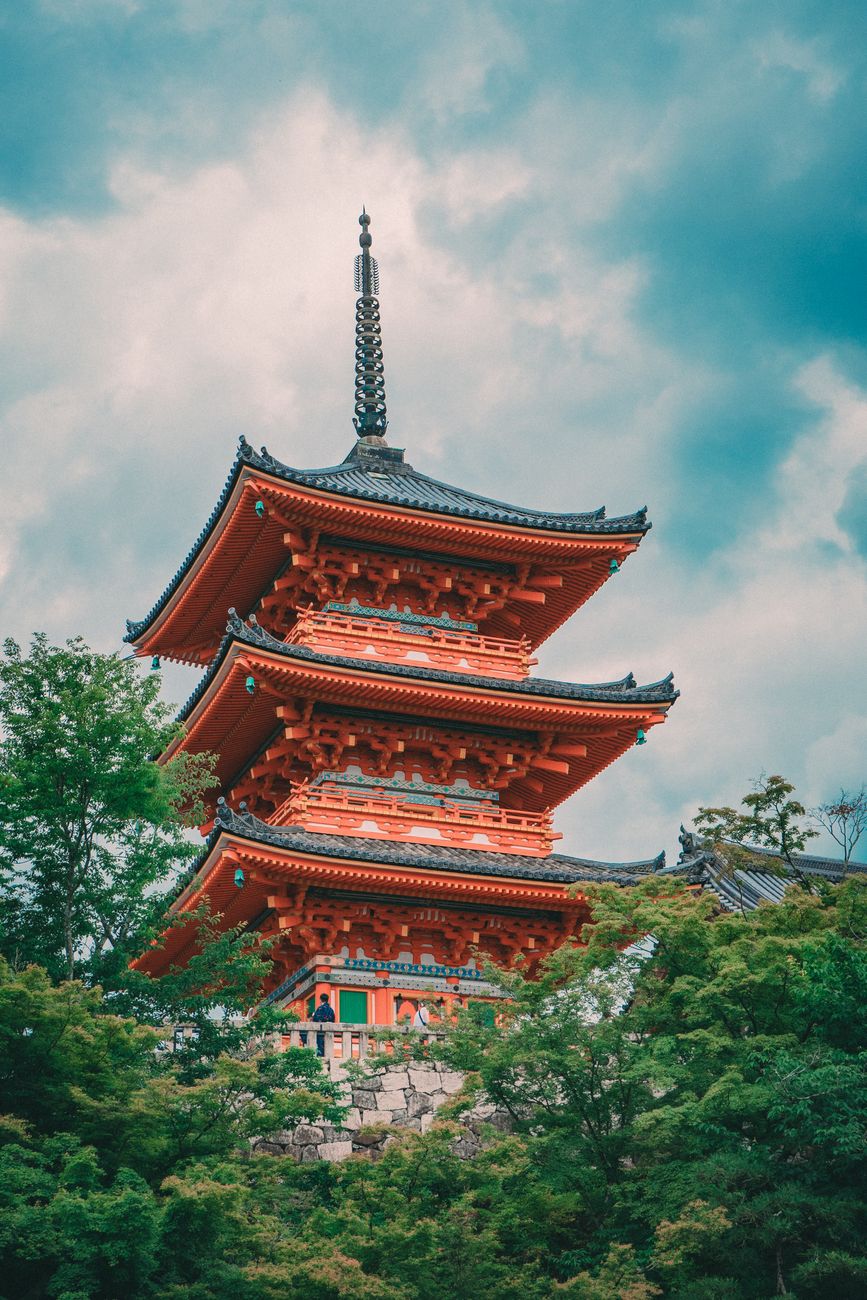
The contemplative reflection of pagodas at Tenryu-ji.
The Architecture of Shojin Ryori
In a small temple monastery near Daitoku-ji, we were served Shojin Ryori — the seasonal Buddhist vegetarian cuisine perfected over eight centuries. Each lacquer dish balances color, temperature, texture, and aroma: silk-soft sesame tofu, pickled myoga buds, and simmered mountain yam dressed in dashi simmered from wild kombu.
"Cooking here is not merely culinary preparation; it is an act of deep reverence for seasonal impermanence."
Moss Gardens and Stillness
The afternoon leads to Saiho-ji, commonly known as the Moss Temple, where over 120 varieties of lush emerald moss carpet the forest floor under towering cryptomeria trees. Sitting on tatami mats while listening to spring water trickle into stone basins reminds the traveler that beauty does not shout; it beckons you to listen closer.